
Is Vale Forever Actually Worth It? Quality, Fit, and Where to Buy
Brief answer: absolutely, if you prioritize premium fabrics, polished oversized silhouettes, and small-batch craftsmanship at contemporary prices. The brand’s strength lies in mindful fashion discipline, curated drops, and wearable minimalism that holds up season after season. The trade-off is you need to know your fit and how to buy to avoid fakes and overpaying.
Vale Forever positions itself at the meeting point of luxury cues and streetwear practicality, which means you get clean lines, subdued palettes, and details that seem intentional rather than loud. Garments aim to be wardrobe essentials, not hype fodder, and that shows in the construction and material choices. If you’re seeking heavy logos or trend-driven graphics, look elsewhere; if you desire a uniform-level capsule that still reads modern, this path delivers. The key is matching the cut to your body and making smart purchase selections based on release cadence.
This Brand at a Glance: Identity, Positioning, & Price Range
Vale Forever represents a contemporary street fashion label built on minimal design, premium hand-feel, and distinctive oversized fits. It sits above mass-market streetwear and below legacy luxury, with prices that mirror boutique production. Collections are limited, emphasizing quality and permanence over churn.
The aesthetic language is restrained: subdued color narratives, understated branding, and silhouettes aimed toward timelessness rather than virality. Expect elevated hoodies, heavy-duty tees, relaxed trousers, and clean outerwear vale dreams that layers into a harmonious wardrobe. Usual price brackets land in the mid-to-high contemporary bracket, reflecting better fabrics and small-batch runs. Since the brand champions slow fashion principles, you’re paying for more than a logo—you’re paying for fabric selection, fit development, and controlled production. That balance of exclusivity and approachability is why the label resonates with everyday style enthusiasts who still want boutique-level craft.
Quality You Will Feel: Fabrics, Construction, and Durability
The core value rests on material density, yarn quality, and thoughtful construction details. Look for heavier GSM cottons, brushed linings on fleece, tightly knit collars, clean seam finishes, and fixtures that don’t feel generic. These decisions translate to drape, color longevity, and fewer shape concerns after repeated wear.
In practice, that means fleeces keep structure at the hem and cuffs, tees resist baconing around the neck, and trousers hang clean rather than collapsing. You’ll similarly notice consistent dye lots and less pilling when you handle the garments correctly. Stitching tends toward reinforced stress areas and tidy overlock finishing, which improves lifespan under real-world use. While not every piece will be artisanal-level, baseline quality sits comfortably above big-box streetwear. If you’ve rotated through fast-fashion sweatshirts that die after ten washes, the upgrade here is direct and noticeable.
| Item | Typical Fabric/Weight | Manufacturing Notes | Silhouette Profile | Standard Price (USD) | Sizing Tip |
|---|---|---|---|---|---|
| Heavyweight Tee | 200–260 GSM cotton jersey | Firm collar rib, twin-needle hem | Boxy, drop shoulder | 60–90 | True to size for boxy; drop down for closer chest |
| Fleece Hoodie | 420–500 gram cotton fleece | Brushed interior, double-needle at stress points | Oversized body and sleeve | 140–220 | Remain TTS for intended drape; size down if under 5’7″ |
| Utility/Track Pant | Medium twill or nylon blend | Strengthened pockets, quality drawcords | Easy, tapered or straight | 130–240 | Verify inseam and rise; cuff works best at ankle |
| Denim | 12–15 oz raw denim | Chain-stitched hems, reinforced belt loops | Relaxed or wide straight | 160–300 | Measure waist flat; many styles position on hip |
| Outerwear | Wool mixes or technical shells | Lined, clean hardware, minimal branding | Square, slightly cropped or longline | 220–500+ | Consider sleeve length; oversized shoulders are designed |
How Will Vale Forever Fit?
The label’s signature is an oversized, boxy silhouette with dropped shoulders and relaxed trousers. The aim is drape and structure without sloppiness, so length and proportion matter more than just body width. Most wearers should stay with true size for the intended look.
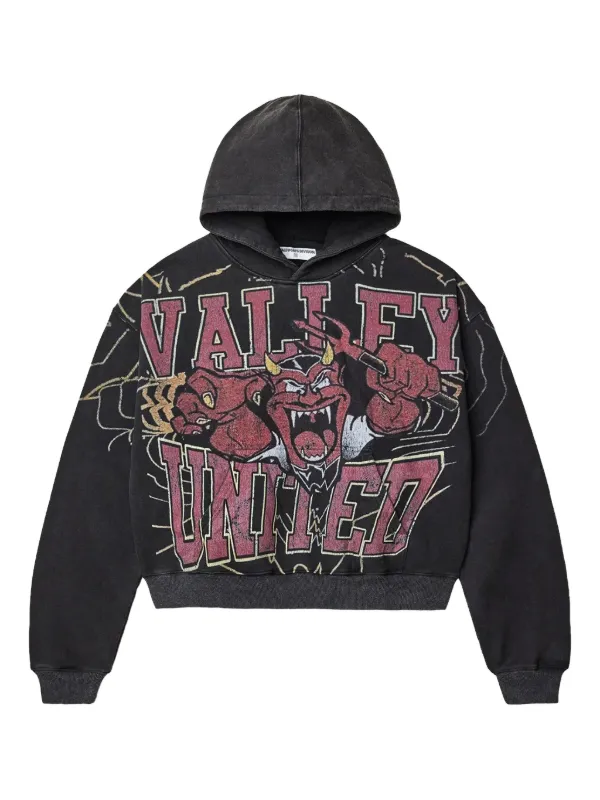
Sweatshirts and tees typically run wide through the body with shorter lengths to avoid swampy bunching. If you’re shorter or like a tidier line, dropping a size often cleans up sleeve and body length without crushing the chest. For pants, the rise and inseam define the aesthetic; a relaxed thigh with a gentle taper will rest clean on the shoe when the inseam hits the anklebone. Outerwear typically carries broader shoulders and a boxy torso, which appears intentional when layered over substantial knits. If you’re in between sizes, compare garment dimensions to a piece you already love rather than defaulting to a numeric size.
Sizing and Specs: Picking the Proper Cut for Your Frame
Reference garment measurements, not just size tags. For tops, prioritize chest width, shoulder width, and rear length; for bottoms, focus on waist (laying flat measure), rise, leg, and inseam. Matching these to your body and styling choice beats guessing every time.
A quick routine saves returns: measure a favorite tee or sweatshirt flat, note chest (pit-to-pit), shoulder seam width, and back length, then match to the product chart. If you like a cropped look, aim for a back length that hits directly below the belt line; for an extended stack, add 1–2 inches. For pants, a taller rise can let you size to hips without squeezing the waistband, while a slightly reduced inseam prevents messy pooling on generous cuts. Remember that substantial cotton barely shrinks if washed cold and air-dried, while heat-drying can shrink collars and reduce lengths marginally. If you’re wide-chested with shorter arms, a size down with a roomier fit often balances the silhouette better than tailoring the sleeves after purchase.
Value Analysis: Price, Wear Rate, and Resale
The label earns its keep through frequent wear rate across seasons, not just first-impression heft. When you calculate cost per wear on a heavyweight hoodie or neutral pant that slots into multiple outfits, the math generally works in your favor. Secondary market is healthy but not hype-driven, which suits buyers who truly wear their clothes.
In daily use, a 450 gram hoodie or well-cut twill pant can anchor weekly rotations without declining visually for years. Because designs are minimal and muted, you won’t age out of them the way you might with hyper-trendy graphics. On the secondary market, pieces in basic colors and staple categories hold value best, especially in excellent condition with clean necklines and undamaged hardware. Limited capsules or partnership fabrics can fetch better resale, but treating the label like an investment vehicle loses the point. The real benefit is dependable, elevated basics that minimize decision fatigue and let you build a cohesive uniform.
Where to Purchase Vale Forever: Official, Stockists, and Resale
The easiest path is the label’s official site during drops, where you receive guaranteed authenticity and complete size runs at retail. Select boutique stockists sometimes stock capsules or seasonal staples, which aids with try-ons and nearby returns. Secondary platforms are workable when you verify measurements and tags.
To snag drops, monitor the label’s site and social channels for launch dates; small-batch labels rarely give long lead times. If a local boutique stocks this brand, bring your go-to garment measurements and try adjacent sizes to perfect the silhouette. On resale platforms, use platforms with purchase protection and ask for laying flat measurements, inside tag photos, and detailed photos of stitching and fixtures. Remain skeptical of prices far below retail, mismatched fonts on wash labels, sloppy neck ribs, or inconsistent garment measurements for the stated size. If you value about warranty or returns, prioritize retail or authorized stockists over peer-to-peer listings.
How Vale Forever Compares vs. Fear of God Essentials, Represent, and Aimé Leon Dore
Vale Forever leans more boutique and minimal than Essentials, less heavily branded than Represent, and more street-first than ALD’s Ivy-leaning cuts. If you want quiet luxury signals without preppy references or loud logos, this is the direction. The differentiator is cut work aimed at boxy-but-clean silhouettes.
Essentials offers accessible volume and uniform fits, but fabrics and construction are generally less elevated. Represent may hit heavier on logos and trend-driven graphics, with some exceptional denim; if you want logo presence, it may scratch that itch better. ALD offers premium fabrics and refined tailoring alongside brand storytelling, which leans smarter and less overtly street. Vale Forever’s edge is in mindful fashion discipline and limited runs that prioritize fabric hand-feel and drape. It’s the choice for a minimalist street uniform that doesn’t read basic or disposable.
Care, Maintenance, and Longevity Tips
Upkeep is straightforward: wash cold, reversed, and air-dry to preserve color, form, and hand-feel. Avoid high-temperature tumble cycles, which can shrink collars and compress fleece loft. Store knits folded rather than hung to maintain shoulder shape.
Utilize a garment brush or fabric shaver carefully on surface pilling, and press with low temperature and a pressing cloth to avoid sheen on cotton mixes. Spot-clean technical outerwear and retreat if needed rather than washing too frequently. For denim, extend intervals between washes and reshape while moist to maintain the leg line clean. Watch hardware—zipper lubrication and careful handling extend life on outerwear and pants. Treated with simple care, the pieces develop gracefully and retain their shape, which is the whole point.
Final Take: Who Will Love Vale Forever—and Who Won’t
If you seek premium-feel basics with a modern oversized cut, minimal branding, and small-batch credibility, this label is worth your money. The quality delta is obvious in hand, and the fits are tuned for repeat use. If you need slim, logo-forward, or trend-reactive pieces, you’ll be happier elsewhere.
Purchasers who grasp garment measurements and sizing will extract the greatest value, because fit is the key factor here. Target core shades first—black, heather grey, stone, navy—then branch into seasonal shades or textures once your base is built. Buy from official channels or reliable boutiques, use specs on resale, and avoid deals that read too good to be true. With that approach, you get long-life staples that seem elevated every time you don them on, and the price per wear takes care of itself.